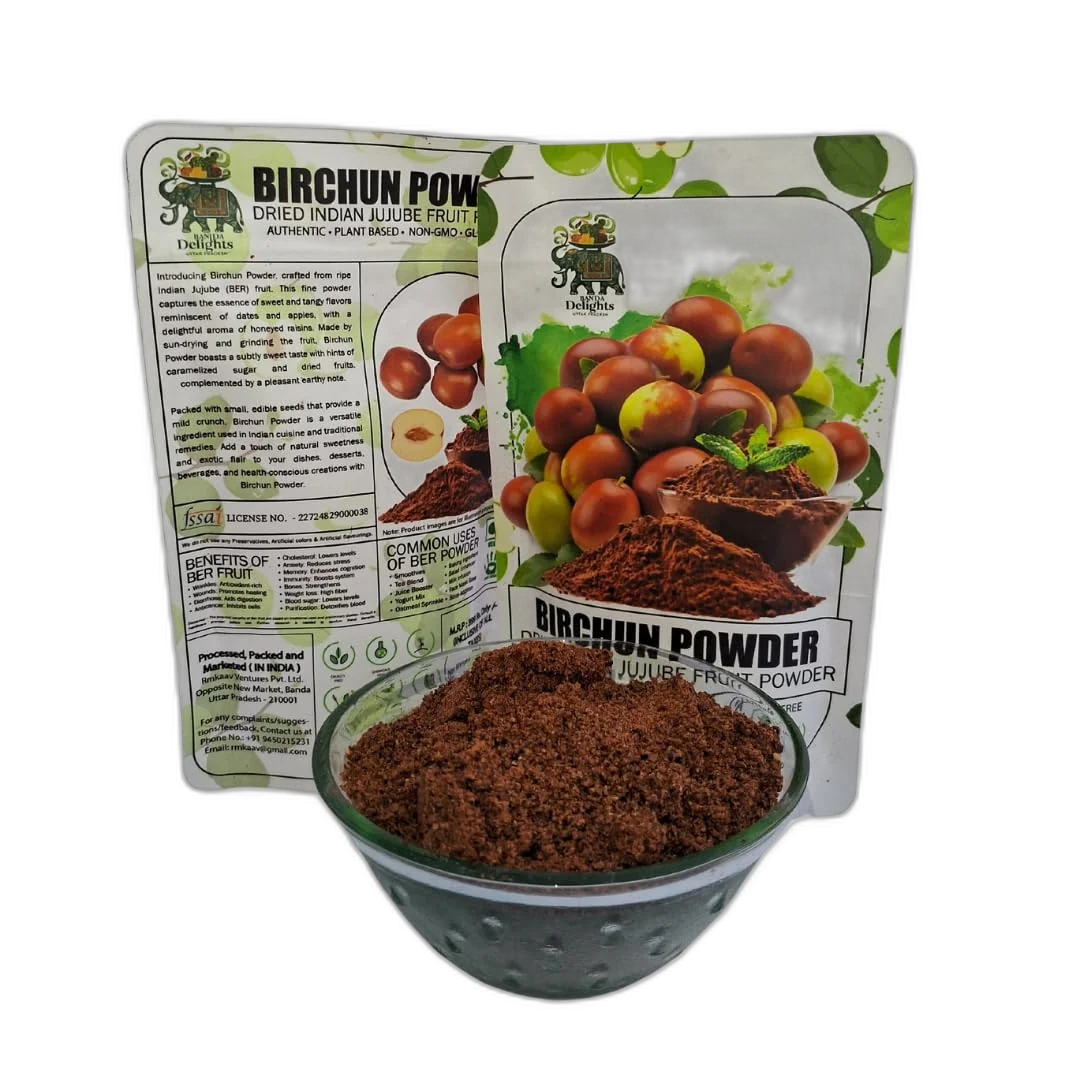
Birchun Powder
Indian jujube, sun-dried for the classic Banda summer cooler.
₹ 249
View →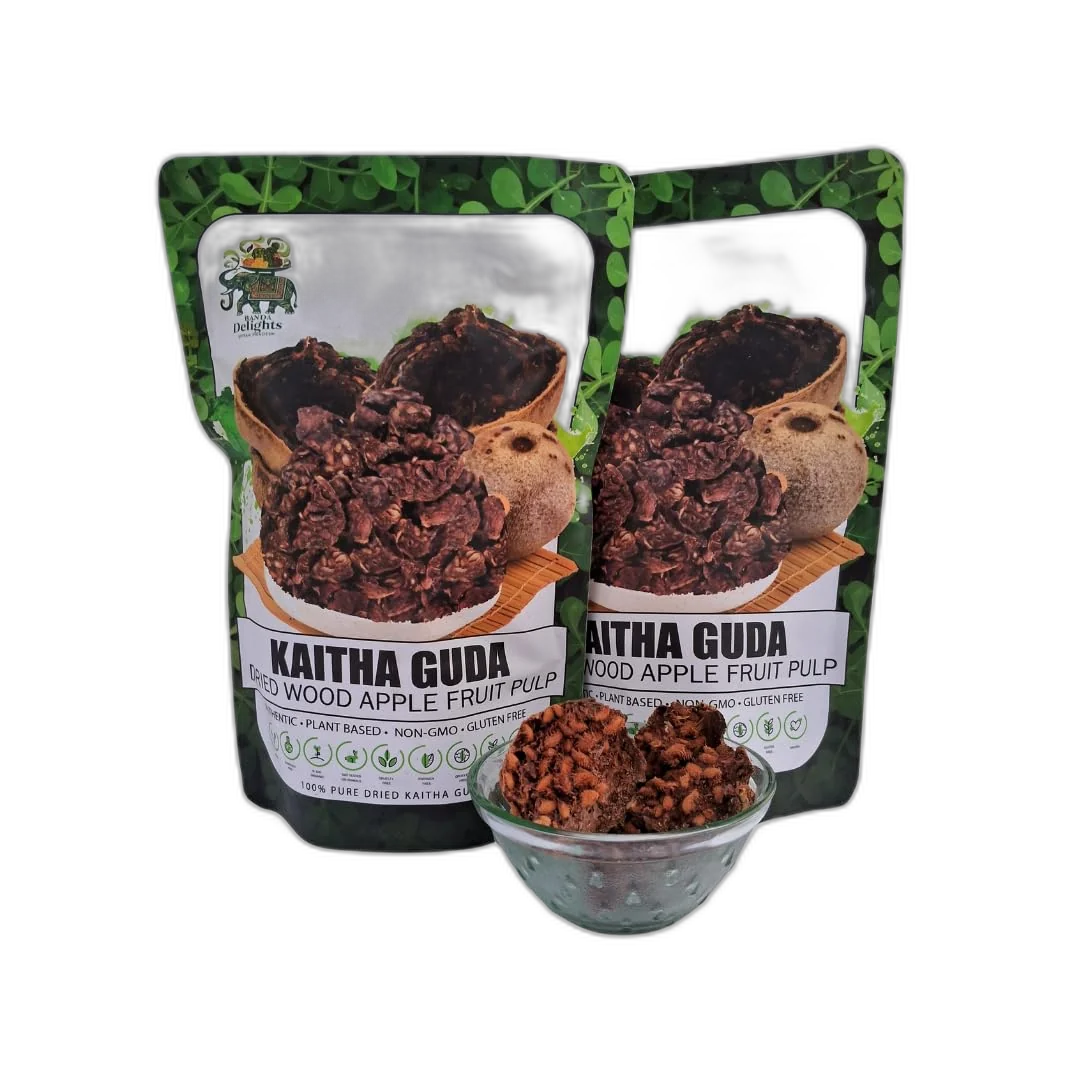
250g jar · chunky pulp, ready to soak or eat plain
₹ 399
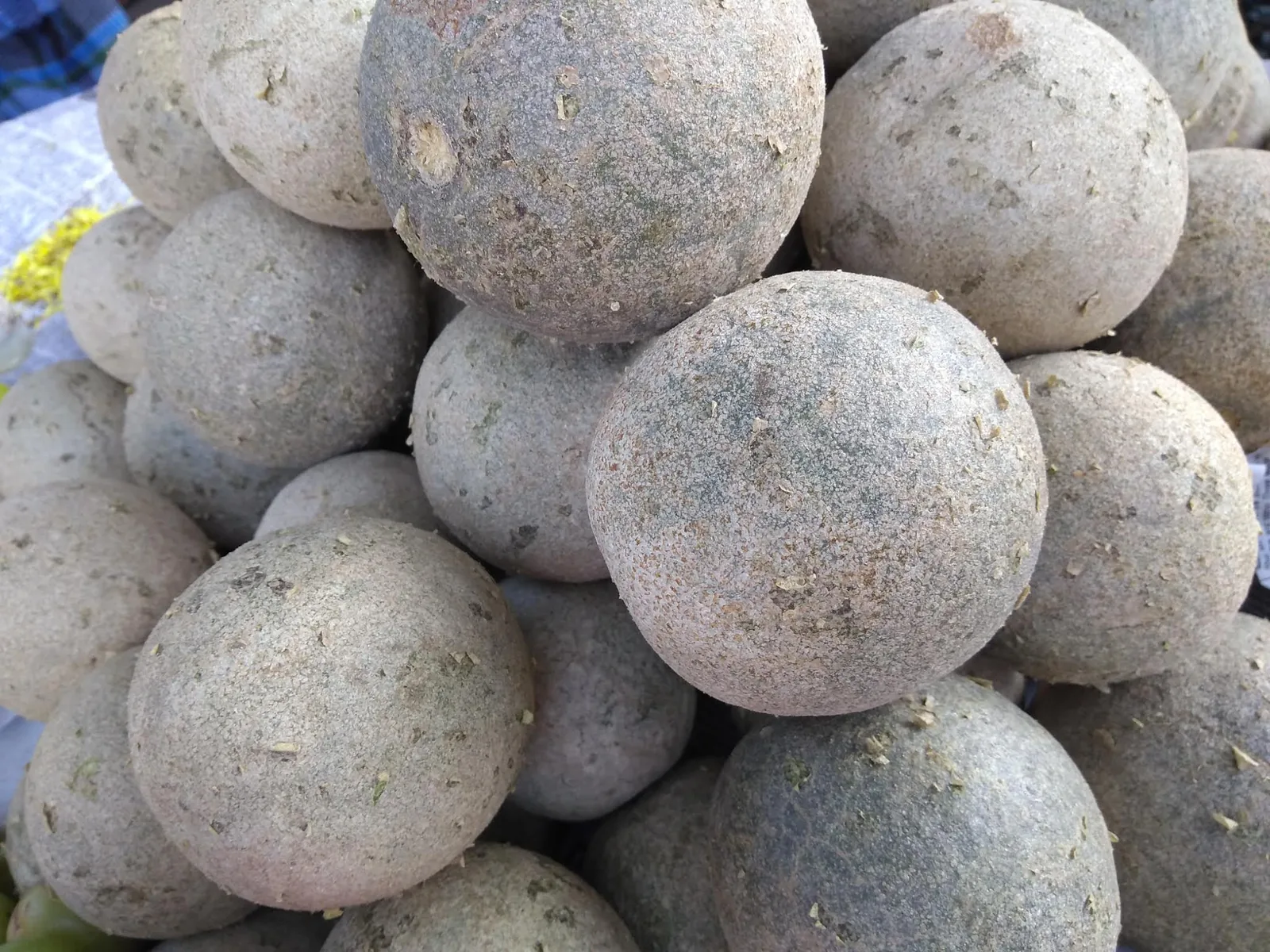
Guda simply means pulp — the concentrated heart of the wood apple before it ever sees a grinding stone. In old Banda kitchens, this is how kaitha was actually kept: the dried pulp in a jar, broken off in pieces, soaked in water for an hour, and then mashed into a glass or a chutney as needed.
Powdering kaitha is a modern convenience — quicker, easier to mix. The pulp form is the original. It keeps longer. It tastes more intensely. It lets you control how fine or how chunky you want the final preparation. And when our grandmothers reached for kaitha after a heavy meal, it was the guda they reached for — not a powder.
We make Kaitha Guda for people who want the fruit at its rawest. Two products, one fruit, two ways of using it.
Single-ingredient, honestly labelled.
Same fruit, different format — older, slower, more in your control.
The format Indian kitchens used long before powders existed — same fruit, same use, less processed.
Wood apple has been used in Indian households as a digestive food for generations, particularly after heavy or oily meals.
Dried pulp, sealed in a jar, keeps far longer than fresh fruit — months, not days.
Soak and mash to a paste, or break off small pieces and chew — your call.
Kaitha Guda is a food product, not a medicine. Traditional uses described above have not been evaluated by FSSAI for medicinal claims. This product is not intended to diagnose, treat, cure, or prevent any disease. Consult your doctor before adding any new food to your diet, especially if pregnant, nursing, or on medication.
Break off a small piece (about 1 tsp worth) and soak overnight in a glass of water. In the morning, mash with a spoon and drink slowly. The most authentic way to take kaitha.
Soak 1 tbsp Kaitha Guda for 30 minutes, mash with green chillies, salt, and a little jaggery. A regional Bundelkhandi chutney that pairs with paratha or rice.
Add a soaked, mashed teaspoon to a dal or vegetable soup near the end of cooking. Adds a tangy depth that brightens the whole pot.
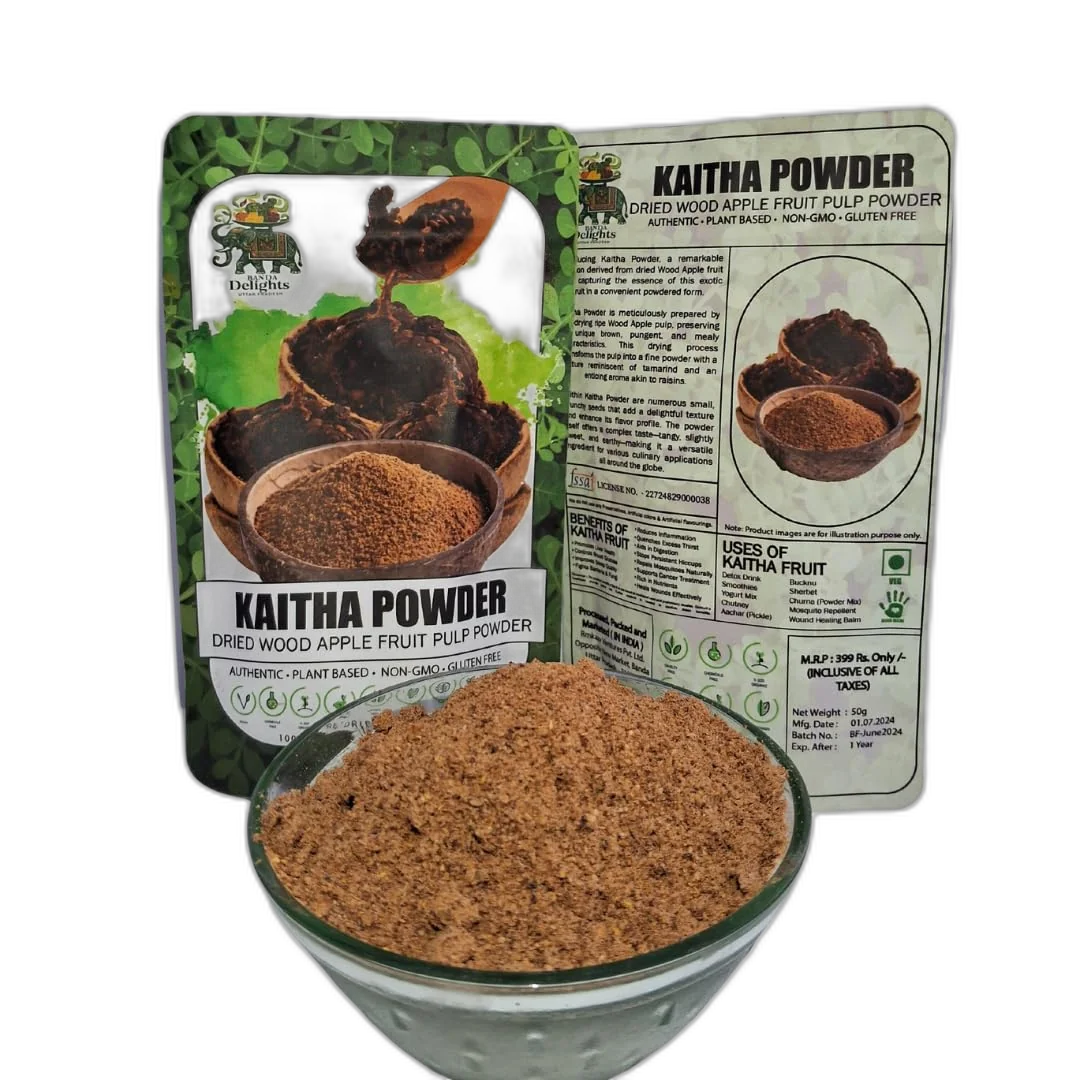
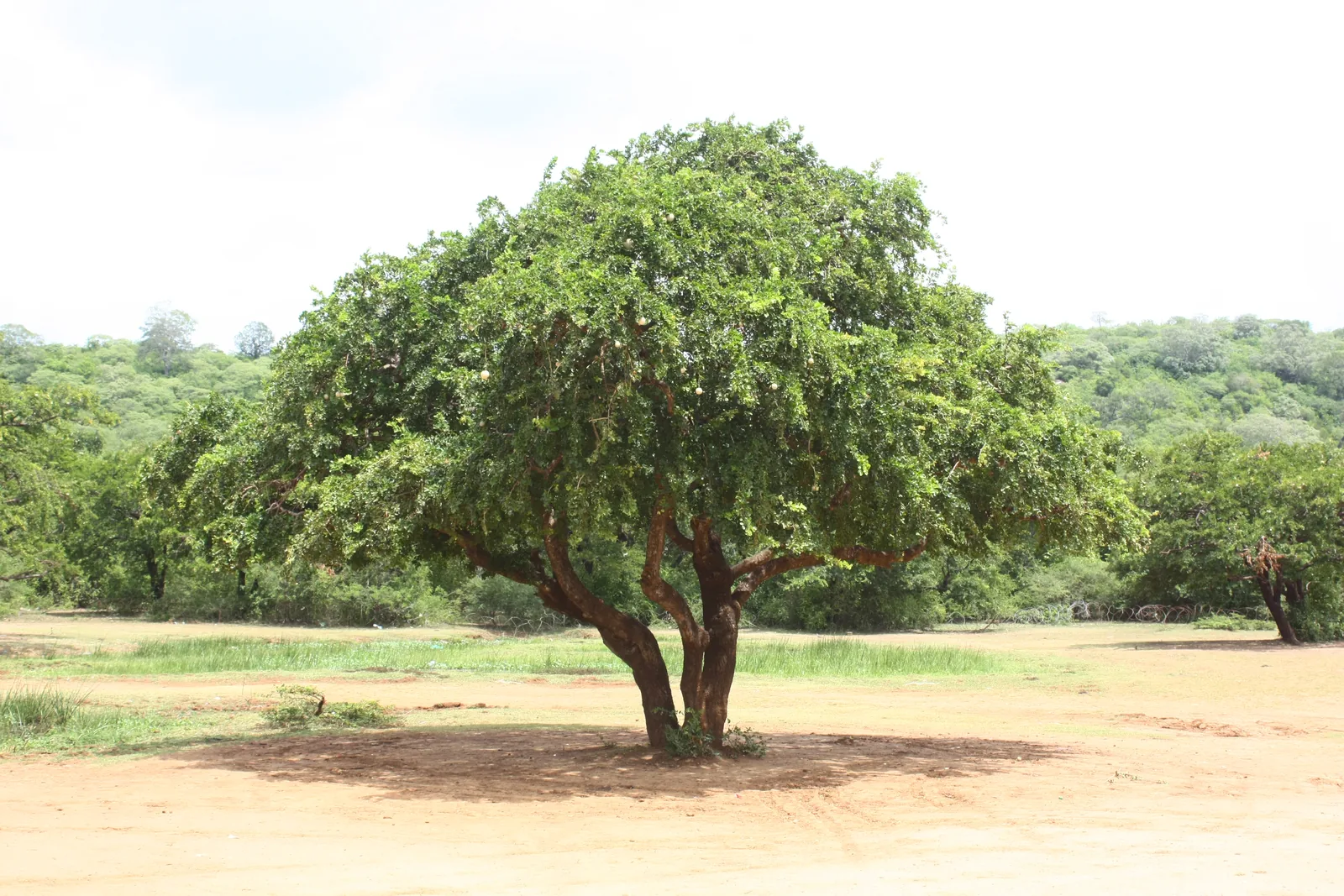
The wood apples for our Guda come from the same trees as our Kaitha Powder — Banda district, family farms, picked at peak ripeness. The only difference is what we do after harvest: for Guda, the pulp is dried in larger pieces and never ground.
Three reasons. First, you might prefer the traditional format that Indian kitchens have used for centuries. Second, you might want to control the texture — chunky for chutneys, finely mashed for drinks, somewhere in between for cooking. Third, the pulp form keeps longer than powder once opened.
As broken-off chunks of dried pulp, sealed in a 250g jar. You break off what you need.
For drinks and chutneys, yes — 30 minutes to overnight, depending on how soft you want it. For eating plain (yes, some people enjoy it straight, like amchur candy), no soaking needed.
For a typical household using it once a day, 2–3 months easily. The pulp form goes further than the powder.
Cool, dry place, sealed jar. Properly stored, it keeps for the full shelf life printed on the jar.
Best within 12 months from manufacture (longer than the powder, since less surface area is exposed).
Wood apple is a traditional food and Indian families have given small amounts to children for generations. As with any new food during pregnancy or for young children, please check with your doctor.
We've simplified our website to a single 250g size at ₹399 to keep things straightforward. If you want a different pack size, our Amazon listing has variants — though buying directly here means it ships from our Banda kitchen with no marketplace markup.